

Mow Large Acreage Without Multiple Passes
Bush hogging services in Lexington that cut thick grass and heavy vegetation on open properties and pastureland.
If you own open acreage in Lexington that has gone unmowed for a season or more, a standard lawn mower will not handle the height, density, or thickness of the grass. Pastures, undeveloped lots, and farm fields require heavy-duty equipment that can cut through tall vegetation without bogging down or leaving uneven patches. Bush hogging handles that work in a single pass.
Wood Goat Forestry Mulching & Vegetation Control Services provides bush hogging for farms, investment properties, and residential acreage that need large-scale mowing to keep the land usable and maintained. The equipment cuts grass, weeds, and light brush up to several feet tall, leaving behind an even surface that is easier to manage going forward.
If you need overgrown acreage mowed in Lexington and want the job done with equipment built for the task, get in touch to discuss your property size and condition.
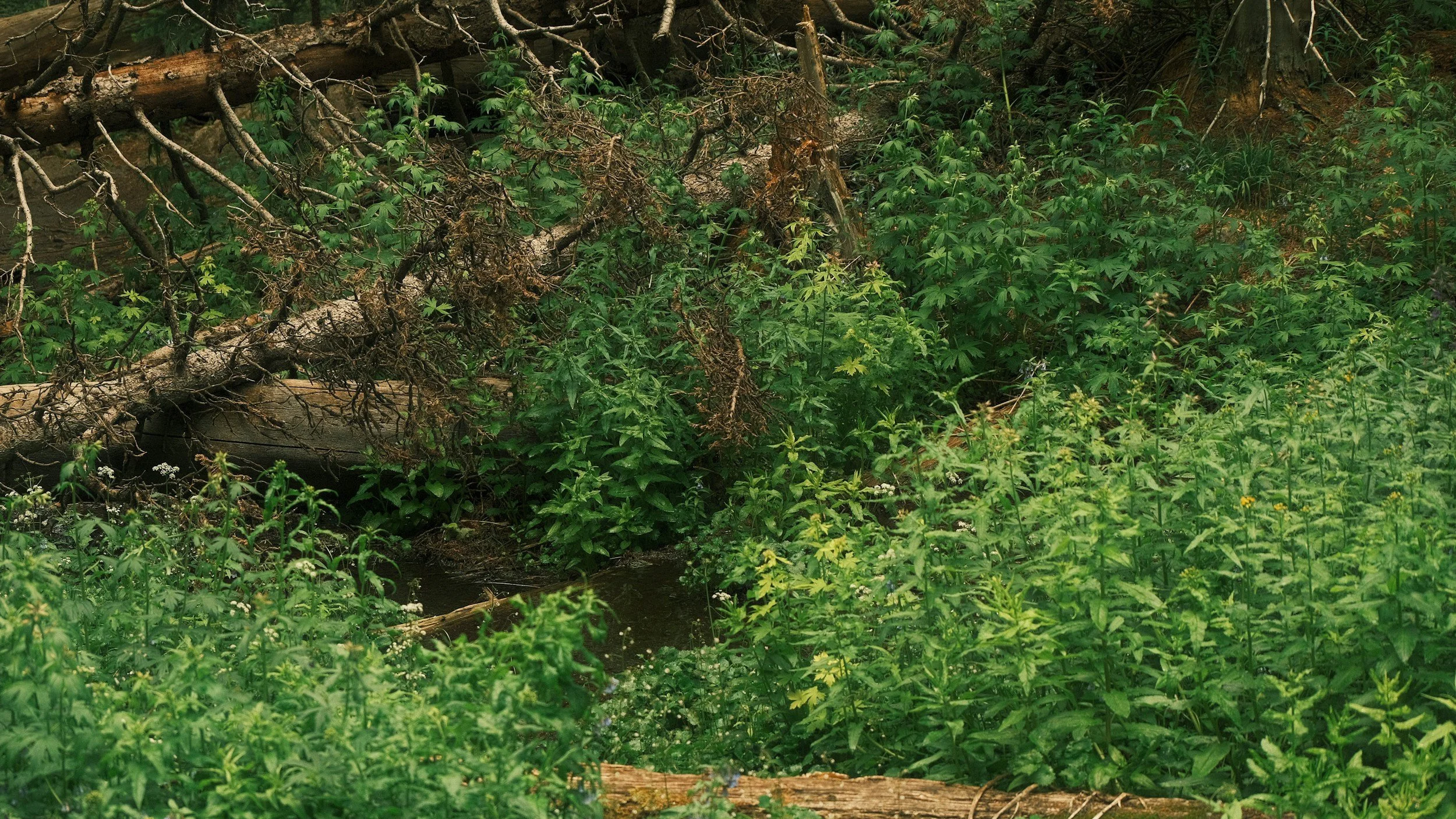
What heavy-duty mowing does for open land
Bush hogging uses a rotary cutter mounted behind a tractor to slice through tall grass, thick weeds, and light vegetation. In Lexington, this works well on pastures, fallow fields, and properties that have been neglected for months. The operator adjusts the cutting height and speed based on vegetation thickness and terrain, making multiple passes only if necessary.
After the work is complete, you will see an even, mowed surface that is easier to walk, inspect, or use for grazing. The cut vegetation is left on the ground to decompose naturally, returning nutrients to the soil. Properties that were previously inaccessible or difficult to survey become functional again.
The owner operates the tractor with attention to slopes, wet areas, and hidden obstacles like rocks or stumps. The service works best on properties with minimal debris and relatively flat terrain, and it does not include removal of downed trees or grading. The result is a clean, mowed property that looks maintained and is ready for use or sale.
You likely have questions about timing and access
Landowners often want to know how the equipment handles rough terrain, what gets cut, and how often mowing needs to happen before scheduling.
What types of vegetation can bush hogging cut? The equipment cuts tall grass, weeds, and light brush up to four feet high. It works well on overgrown pastures and open fields but is not designed for saplings or dense undergrowth.
How often should I have my property bush hogged? Most properties need mowing once or twice per year depending on rainfall and growth rate. Pastures used for grazing may require more frequent cutting to maintain forage quality.
Can you mow around ponds or wet areas? Yes, the tractor can work around water features and wet sections as long as the ground is firm enough to support the equipment. Extremely soft or muddy areas may need to be avoided to prevent rutting.
What happens to the cut grass after mowing? The grass is left on the ground to dry and decompose naturally. It does not need to be raked or removed unless you request otherwise, and it helps build organic matter in the soil.
Why is bush hogging better than using a riding mower? Bush hogs are built to handle tall, thick vegetation and rough terrain that would damage or stall a riding mower. They also cover large acreage much faster and require fewer passes.
Wood Goat Forestry Mulching & Vegetation Control Services operates the bush hog with careful attention to property lines, slopes, and obstacles throughout Lexington. If you need large acreage mowed and want the work handled with owner-operated equipment, contact the team to schedule a site visit and receive a written estimate based on your property size.