

Keep Cleared Land from Growing Back
Brush control services in Lexington that manage regrowth and invasive vegetation on large properties and developments.
After you clear land in Lexington, the vegetation does not stay gone. Saplings, vines, and invasive species come back quickly, especially in areas with rich soil and rainfall. Without ongoing management, your property returns to the same overgrown state within a season or two. Brush control gives you a way to maintain cleared land without starting over every year.
Wood Goat Forestry Mulching & Vegetation Control Services provides recurring brush control for residential acreage, commercial developments, and managed properties that need consistent vegetation management. The work involves cutting regrowth, managing invasive species, and keeping cleared areas open and usable. The service is designed for property owners who want to protect their investment in land clearing and avoid future rework.
If you need ongoing vegetation management in Lexington and want someone who understands how regrowth behaves, reach out to discuss your property and schedule.
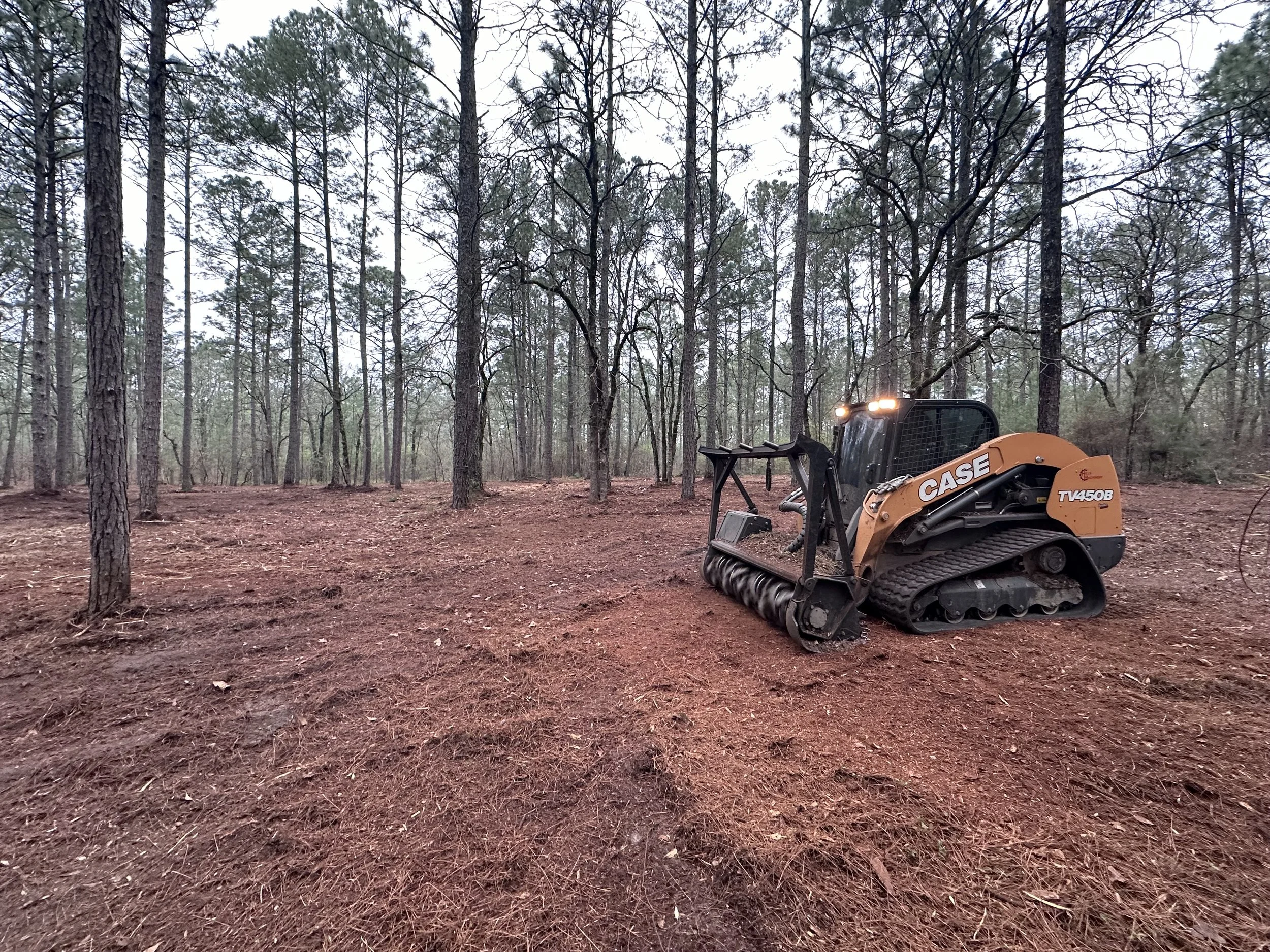
How recurring management stops overgrowth
Brush control begins with an initial assessment of your property to identify areas where regrowth is most aggressive and invasive species are taking hold. In Lexington, this often includes edges near wooded areas, drainage paths, and sections that were recently cleared. The operator returns on a scheduled basis to cut new growth before it becomes established, using the same equipment that was used for the original clearing.
After several cycles of brush control, you will notice fewer saplings, thinner undergrowth, and less visible regrowth between visits. The property stays open, accessible, and functional without requiring full reclearing. Long-term management also reduces the seed bank in the soil, making future control easier and less time-intensive.
The owner adjusts the schedule based on seasonal growth patterns, rainfall, and your goals for the property. The service does not include chemical treatments or planting, but it does provide consistent mechanical cutting that prevents vegetation from returning to unmanageable levels. The result is a property that looks maintained year-round without constant attention from the landowner.
People often want to know how this works long-term
Landowners and developers often ask about scheduling, costs over time, and whether brush control is more practical than repeated clearing before committing to a plan.
How often does brush control need to happen? Most properties need control work two to four times per year depending on growth rate and climate. The first year requires more frequent visits, and the schedule can be reduced as regrowth slows.
What types of vegetation does this service manage? Brush control targets saplings, vines, briars, and invasive species like privet or honeysuckle. It is designed to prevent regrowth from becoming established, not to remove mature trees.
Why is this better than clearing the property again? Recurring control is faster and less expensive than full reclearing. It keeps the property manageable without disturbing the soil or removing topsoil that has stabilized since the original work.
Can brush control work on commercial or investment properties? Yes, this service is commonly used on developments, rental properties, and investment land in Lexington where appearance and access need to be maintained over time without full-time staff.
What happens if I stop brush control after a few visits? Vegetation will return to its natural growth pattern, and the property will eventually require reclearing. Stopping control does not damage the land, but it does reverse the progress made during previous visits.
Wood Goat Forestry Mulching & Vegetation Control Services works with property owners throughout Lexington to maintain cleared land and prevent costly reclearing. If you want recurring vegetation management handled with consistent scheduling and attention to detail, contact the team to set up a site visit and discuss a long-term plan.